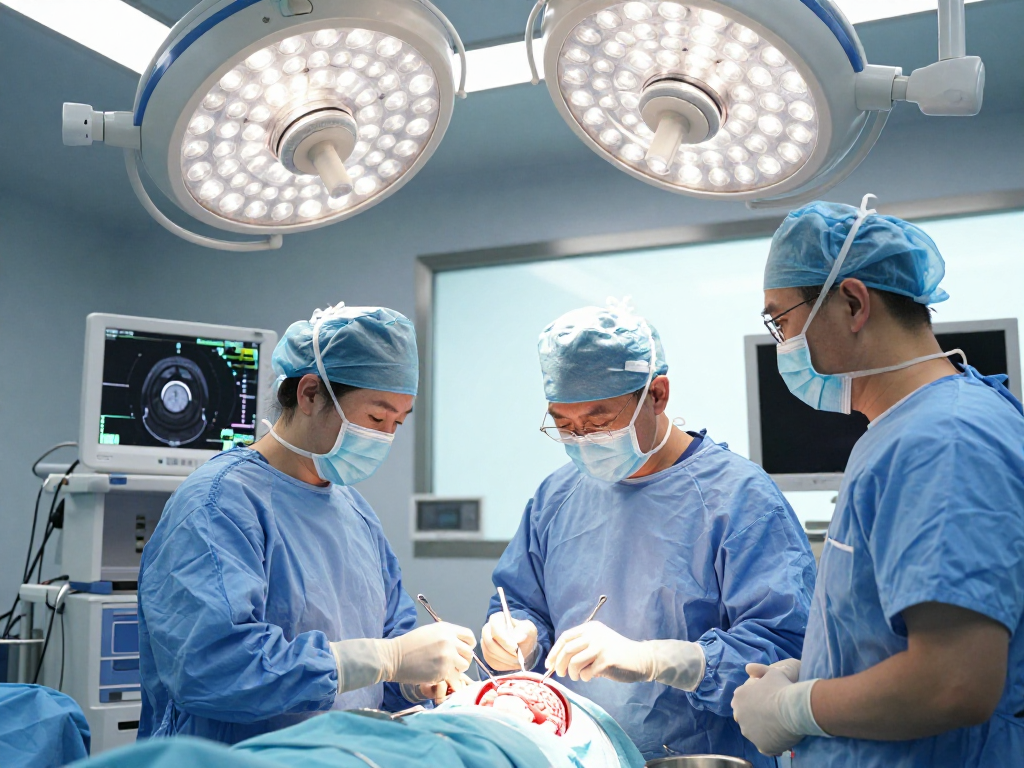
Understanding Cranial Neurosurgery: An Overview
Cranial Neurosurgery is a specialized branch of medicine dedicated to surgical interventions on the brain and surrounding structures. As a complex and delicate field, it requires not only advanced medical knowledge but also innovative techniques to ensure patient safety and optimal outcomes. In this context, understanding the nuances of cranial neurosurgery is vital for both patients and healthcare professionals alike. When exploring options, Cranial Neurosurgery provides comprehensive insights into the necessary procedures and technologies that are constantly evolving.
What is Cranial Neurosurgery?
Cranial Neurosurgery encompasses surgical treatments that address various conditions affecting the brain. This specialty involves the diagnosis, management, and surgical intervention of pathologies such as tumors, vascular malformations, epilepsy, traumatic brain injuries, and more. Neurosurgeons employ both traditional open surgical techniques and minimally invasive approaches, adapting their methods based on the specific needs of each patient.
The Importance of Neurosurgical Procedures
Neurosurgical procedures play a crucial role in improving patient quality of life and managing life-threatening conditions. These surgeries can alleviate symptoms, prevent further neurological decline, and even save lives in acute situations such as hemorrhagic strokes. Moreover, the advancements in cranial neurosurgery are continually enhancing surgical precision and patient outcomes.
Common Conditions Treated with Cranial Neurosurgery
- Brain Tumors: Both benign and malignant tumors require careful surgical evaluation and possible removal.
- Aneurysms: These abnormal artery swellings may lead to serious complications, warranting surgical intervention.
- Epilepsy: Intractable seizures can sometimes be managed through surgical resection of the affected brain area.
- Traumatic Brain Injuries: Surgical techniques are often necessary to relieve pressure and repair damage.
- Hydrocephalus: The condition involves an accumulation of cerebrospinal fluid, which may require surgical placement of shunts.
Key Techniques in Cranial Neurosurgery
Innovative Surgical Techniques and Approaches
Recent developments in surgical techniques have greatly influenced cranial neurosurgery. Techniques such as endoscopic surgery and neuro-navigation systems enhance the precision of procedures while minimizing collateral damage to healthy brain tissue. Furthermore, intraoperative imaging allows for real-time evaluation during surgery, leading to better outcomes.
Tools and Technologies Used in Surgery
Modern cranial neurosurgery employs a range of advanced tools, including microscopes, lasers, and robotic-assisted systems. These instruments not only improve the accuracy of surgical techniques but also reduce recovery times and complications. High-definition imaging technologies, such as MRI and CT scans, guide surgeons in planning and executing complex procedures.
Importance of Minimally Invasive Procedures
Minimally invasive techniques, including endoscopic and keyhole surgeries, have revolutionized the field of cranial neurosurgery. These approaches result in smaller incisions, reduced blood loss, and shorter hospital stays compared to traditional open surgeries. As a result, patients often experience less postoperative pain and a quicker return to normal activities.
Preparing for Cranial Neurosurgery
Patient Evaluation and Risk Assessment
Before undergoing cranial neurosurgery, a thorough evaluation is essential. This assessment includes a comprehensive medical history, physical examinations, and diagnostic imaging studies to identify the specific problem and determine the best course of action. Understanding potential risks and complications is also crucial for informed consent.
Preoperative Instructions for Patients
Preparing for cranial neurosurgery involves several preoperative instructions that patients must follow. This may include fasting before the procedure, stopping certain medications, and organizing postoperative care. Patients should also address any concerns they have with their healthcare team to ensure they feel comfortable going into surgery.
Setting Realistic Expectations for Recovery
Recovery from cranial neurosurgery varies significantly depending on the individual, the specific procedure performed, and the underlying condition. Patients should be prepared for a gradual recovery process, where follow-up appointments and rehabilitation may be necessary to monitor progress and facilitate healing.
Postoperative Care in Cranial Neurosurgery
Managing Pain and Complications
Effective pain management is a critical component of postoperative care in cranial neurosurgery. Patients may experience discomfort, headaches, or other symptoms requiring medical attention. Early recognition and treatment of complications such as infections or neurological deficits can markedly influence long-term outcomes.
Long-term Recovery Strategies
Long-term recovery strategies often include physical therapy, cognitive rehabilitation, and ongoing medical assessments. Patients are encouraged to engage in light activities as they recover, as this can promote healing and help restore normal function. Support groups and counseling may also be beneficial for psychological recovery.
Follow-up Care and Monitoring
Regular follow-up appointments are essential after cranial neurosurgery to monitor recovery progress and detect any potential complications early. These visits may involve neurological evaluations, imaging studies, and adjustments in rehabilitation protocols based on the patient’s needs.
The Future of Cranial Neurosurgery
Emerging Trends in Neurosurgical Techniques
The future of cranial neurosurgery looks promising with advancements in surgical techniques and technologies. Innovations such as 3D printing for custom implants and bioprinting to create living tissues for grafts are on the horizon, offering exciting possibilities for treatment options.
Role of Artificial Intelligence in Neurosurgery
Artificial intelligence (AI) is poised to transform cranial neurosurgery in numerous ways. Through enhanced imaging analysis, AI can assist surgeons in diagnosis, surgical planning, and predicting patient outcomes. Moreover, machine learning algorithms may refine techniques by analyzing large datasets from previous surgeries, leading to improved precision and safety.
Predictions for Neurosurgery in 2026 and Beyond
By 2026, cranial neurosurgery is expected to see significant advancements driven by technology and research. Enhanced robotic systems and augmented reality may become commonplace in operating rooms, providing neurosurgeons with unprecedented tools for accuracy and better patient education. Additionally, personalized treatment plans based on genetic and molecular profiling may yield more effective strategies for brain disorders.
What are the risks associated with cranial neurosurgery?
Cranial neurosurgery carries inherent risks, including infection, bleeding, and neurological deficits. However, advancements in surgical techniques and postoperative care have systematically reduced these risks over time.
How long does recovery from cranial neurosurgery take?
The recovery time post-cranial neurosurgery varies widely depending on the procedure and individual circumstances, generally ranging from a few weeks to several months for full recovery.
What advancements are being made in cranial neurosurgery?
Recent advancements include minimally invasive techniques, enhanced imaging technologies, and AI integration, all contributing to improved surgical outcomes and patient safety.
What conditions are most commonly treated with cranial neurosurgery?
Commonly treated conditions include brain tumors, aneurysms, epilepsy, traumatic brain injuries, and hydrocephalus.
How can patients prepare for cranial neurosurgery?
Patients can prepare for cranial neurosurgery by following medical advice, undergoing thorough evaluations, and engaging in discussions about expected outcomes and recovery plans.